We have to move past the idea that “health is just about quantity.” It is actually about equilibrium. Such an equilibrium that every nutrient in our body is used properly and not much.
When we talk about mineral balance we usually think of things like electrolytes. Just making sure we get enough calcium and magnesium. The point is, getting mineral balance right is not just about having them in a lot of amounts. It is about having the right amount at the right time and in the right way.
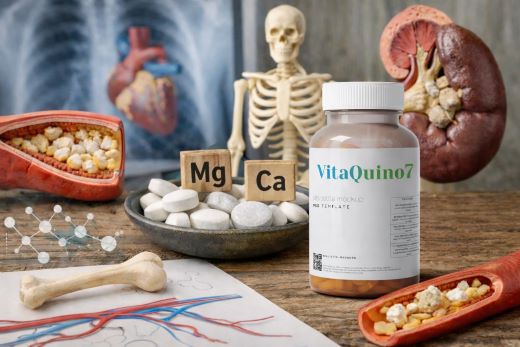
Minerals are something that do not do anything on their own. Minerals do not know where they should go. If the body does not control minerals, like calcium then they can be bad for us. Calcium is usually good for our bones and teeth. Sometimes calcium can build up in the wrong places like our arteries, joints and the tissues that connects everything. When this happens, calcium is not helping our body in fact it is getting in the way. Minerals like calcium need to be in the place or they can cause problems. Calcium is a mineral that should be helping our bones and teeth, not causing any trouble, in any other parts of our body. The equilibrium breaks when this happens.
Role of Vitamin K2:
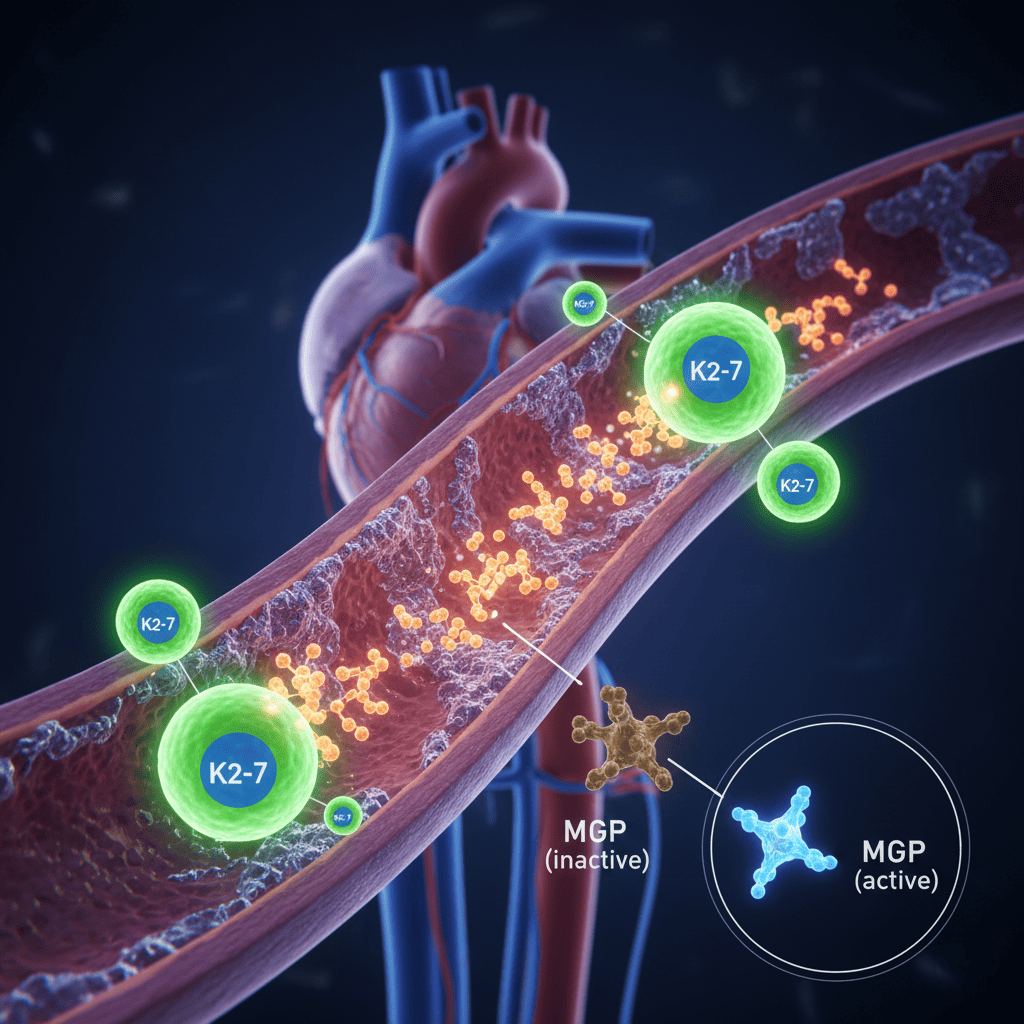
Vitamin K2 is like a traffic cop in the body. It helps figure out where minerals like calcium should go and where they should not go. Vitamin K2 turns on the proteins that decide this. Without Vitamin K2 doing this job, it does not matter how calcium and magnesium you take in. You will not get the results you want. Vitamin K2 helps control the minerals. If Vitamin K2 does not do this the minerals can get out of control. This can make your blood vessels get old faster and cause inflammation. Vitamin K2 is important, for keeping the minerals like calcium in check and making sure they do what they are supposed to do.
The aim is equilibrium, not accumulation and Vitamin K2 is the engine that makes this possible.
The Mineral Migration Problem:
Mineral movement within the body is continuous and tightly regulated under healthy conditions. Ideally, almost all of the calcium, or 99%, should be distributed where it is needed, which is in the skeletal system, in the form of bones and teeth. However, due to modern dietary habits and metabolic disturbances, this balance has been disrupted. More and more, calcium is being redistributed from the skeletal system to other parts of the body, such as the kidneys, where it forms stones, or the cardiovascular system, where it forms arterial deposits.
This misdistribution sets off a chain reaction in the body. With calcium accumulating in blood vessels, it leads to compromise in the flexibility of blood vessels, making them stiffer and thus exerting more pressure on the heart. As shown by Knapen et al. (2015), disruption in mineral regulation in the vascular system is one of the main causes of rapid aging of the cardiovascular system, which has various effects on the health of different organs in the body.
The Solution: Vitamin K2
Vitamin K2 is a true metabolic regulator of mineral metabolism. Instead of merely aiding in mineral absorption, it determines where minerals are allowed to flow by turning on a subset of Vitamin K-dependent proteins (VKDPs) responsible for directing calcium distribution in the body.
- Regulation of Bone Mineral Density:Activation of osteocalcin, a protein that binds calcium ions into the bone matrix, is one of the most important functions of Vitamin K2. The activated osteocalcin is highly effective in pulling the calcium ions from the circulation and fixing them into the bone matrix. Published research evidence in the journal Osteoporosis International has confirmed that continuous supplementation with Vitamin K2 is essential to maintain bone mineral density with increasing age (Knapen et al., 2013).
- Vascular and Soft Tissue Protection:On the other hand, Vitamin K2 triggers the activation of Matrix Gla Protein (MGP), which is the body’s natural defense mechanism against the improper deposition of calcium. The activated MGP inhibits the deposition of minerals in the regions where elasticity is a priority such as in blood vessels and connective tissues, like the skin.
Why Terraquino K27 is the Balancing Factor?
One big problem with Vitamin K2 is how long it actually remains effective in our body. We need to keep the amount of minerals in check in our body at all times. So, it is not about taking Vitamin K2 every now and then but having Vitamin K2 availability in our body at all times.
Terraquino K27 has Vitamin K2 in the form of MK-7, which is recognized for its ability to remain active in our body for a longer period of time. While on the other hand, all the other forms of Vitamin K2 are metabolized and cleared from the body within a few hours. It is also found in research that, MK-7 can remain active in the body for a period of up to three days (Sato et al., 2012).
K27 also prevents the unwanted accumulation of minerals in the soft tissues, thus aiding in the retention of the body’s natural elasticity in blood vessels, skin, and connective tissues. This retention of elasticity slows down aging.
Balance Must be Intentional and Important:
Real mineral balance does not happen by accident. It is the result of giving your body the support. When your body has what it needs to balance the minerals your health will happen naturally. And when you decide to use Terraquino K27, you are doing more than just adding another supplement to your routine. You are restoring the balance that allows your body to function at its best. Choose wisely.
References
Knapen, M. H., Braam, L. A., Drummen, N. E., Bekers, O., Hoeks, A. P., & Vermeer, C. (2015). Menaquinone-7 supplementation improves arterial stiffness in healthy postmenopausal women: A double-blind randomised clinical trial. Thrombosis and Haemostasis, 113(5), 1135–1144. https://doi.org/10.1160/TH14-08-0675
Knapen, M. H., Drummen, N. E., Smit, E., Vermeer, C., & Theuwissen, E. (2013). Three-year low-dose vitamin K2 supplementation helps decrease bone loss in healthy postmenopausal women. Osteoporosis International, 24(9), 2499–2507. https://doi.org/10.1007/s00198-013-2325-6
Sato, T., Schurgers, L. J., & Uenishi, K. (2012). Comparison of menaquinone-4 and menaquinone-7 bioavailability and vitamin K status in healthy women. Nutrition Journal, 11(1), 93. https://doi.org/10.1186/1475-2891-11-93